

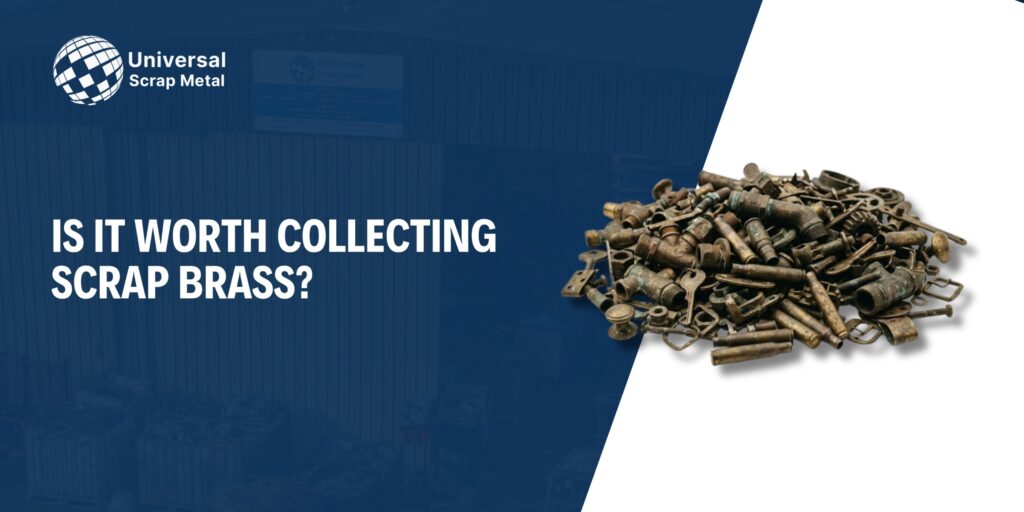
Yes, collecting scrap brass is definitely worth it. Brass is one of the most valuable and commonly traded non-ferrous scrap metals because it contains copper and zinc, both of which have strong recycling demand. Whether you are an individual, small scrap collector, or business, scrap brass can provide consistent and profitable returns when collected and sold properly.
What is Scrap Brass?
Scrap brass is a recyclable metal alloy made primarily from:
- Copper
- Zinc
It is widely used because it is strong, corrosion-resistant, and long-lasting. When these items become old or unused, they enter the scrap market.
You can commonly find scrap brass in:
- Plumbing fittings like taps, valves, and pipes
- Door handles, locks, and hinges
- Electrical and industrial components
- Decorative and household items
- Automobile parts such as radiators and connectors
One of the biggest advantages of brass is that it can be recycled repeatedly without losing its quality, making it highly valuable in the scrap recycling industry.
Is Collecting Scrap Brass Worth It?
Yes — collecting scrap brass is worth it because it consistently holds higher value compared to many other scrap materials.
Here’s why it is profitable:
- High Market Value: Brass contains copper, which is a high-demand industrial metal
- Steady Demand: Used in construction, manufacturing, plumbing, and electrical industries
- Easy Availability: Found in homes, workshops, demolition sites, and repair waste
- Low Entry Barrier: You don’t need heavy investment to start collecting brass scrap
Even small quantities collected over time can turn into meaningful earnings when sold to scrap dealers.
Factors That Affect Scrap Brass Value
The price of scrap brass is not fixed and depends on several important factors:
1. Purity of Brass
Clean brass without attachments like steel screws, rubber, or plastic fetches better prices. Mixed scrap reduces value.
2. Global Metal Prices
Brass pricing depends heavily on copper and zinc market rates, which fluctuate globally.
3. Type of Brass
Different types have different values:
- Red Brass: Higher copper content, higher value
- Yellow Brass: Common and moderately priced
- Mixed Brass Scrap: Lower value due to impurities
4. Local Scrap Market Rates
Prices vary from city to city depending on demand and recycling capacity.
Where Can You Collect Scrap Brass?
Scrap brass is more common than most people think. You can collect it from:
- Old plumbing systems during renovation work
- Household junk like taps, locks, and fittings
- Electrical repair shops and industrial waste
- Construction and demolition sites
- Automobile garages and workshops
Many plumbers and technicians often discard brass parts unknowingly, making it a good opportunity for collectors.
Environmental Benefits of Recycling Brass
Collecting scrap brass is not only profitable but also environmentally responsible.
Recycling brass helps:
- Reduce the need for copper and zinc mining
- Save large amounts of energy used in metal production
- Reduce landfill waste
- Support a circular economy where materials are reused
This makes scrap brass recycling an eco-friendly business practice with long-term benefits.
Tips to Maximize Profit from Scrap Brass
To earn better returns from scrap brass collection, follow these practical tips:
- Always separate brass from other metals like iron and aluminum
- Clean off dirt, paint, or non-metal attachments before selling
- Identify high-quality brass (red brass vs yellow brass)
- Monitor daily scrap market rates before selling
- Build connections with plumbers, contractors, and workshops for regular supply
Small improvements in sorting and cleaning can significantly increase your selling price.
Common Mistakes to Avoid
Many beginners lose money due to simple mistakes:
- Selling mixed metals without sorting
- Ignoring small brass items that accumulate value over time
- Not checking market rates before selling
- Overlooking contaminated or low-grade scrap separation
- Depending on a single scrap dealer for pricing
Avoiding these mistakes can improve long-term profitability.
FAQs
1. Is scrap brass profitable for small collectors?
Yes, even small quantities are profitable because brass has high per-kg value and accumulates quickly over time.
2. How can I identify brass easily?
Brass usually has a yellow-golden color and is heavier than aluminum or steel.
3. Does cleaning brass increase its value?
Yes, clean and sorted brass gets better prices compared to mixed or dirty scrap.
4. Can brass be recycled multiple times?
Yes, brass can be recycled repeatedly without losing its strength or quality.
Final Verdict
Collecting scrap brass is definitely worth it, especially for those looking to earn through scrap metal recycling. It is widely available, environmentally beneficial, and consistently in demand. With proper sorting, awareness of market prices, and regular collection sources, scrap brass can become a reliable and profitable income stream for individuals and businesses alike.