

When you have scrap metal ready for recycling, you might wonder how recycling yards handle different metals, such as copper and brass. Both copper and brass are commonly used metals, with valuable applications across various industries, from plumbing to electrical work. However, despite their similarities, they are handled differently when it comes to recycling. In this blog, we’ll explore how scrap metal yards in Perth handle these two metals, break down their differences, explain the recycling process, and what you can expect when you bring them in.
Understanding the Difference Between Copper and Brass
Before diving into the recycling process, it’s essential to understand the key differences between copper and brass. While both are non-ferrous metals with similar characteristics, their compositions and uses across various industries set them apart.
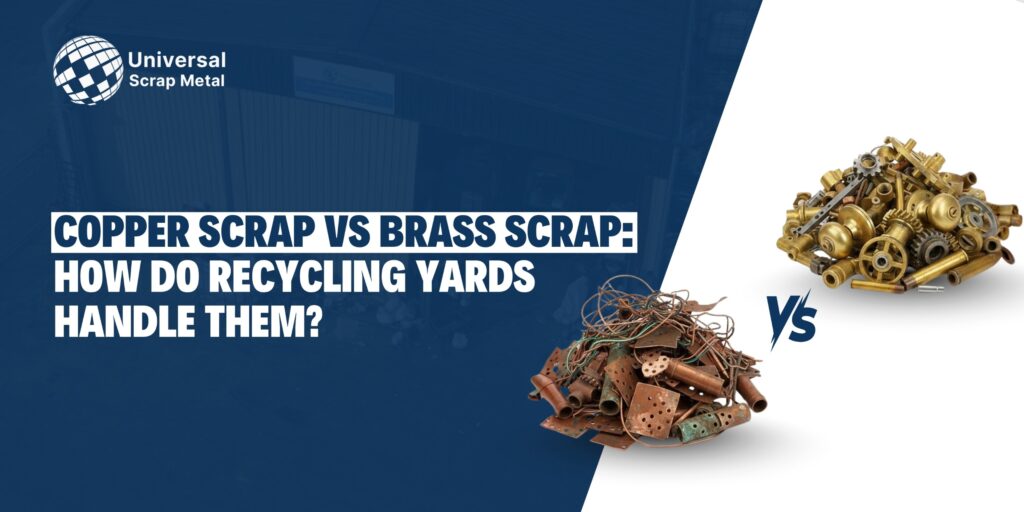
- Copper is a pure metal with a reddish-brown appearance. It is widely known for its excellent electrical and thermal conductivity, making it the go-to metal for electrical wiring, plumbing, and specific industrial applications.
- Brass, on the other hand, is an alloy made primarily of copper, combined with zinc. Brass has a golden yellow color and is more malleable than copper. It is commonly used in applications like plumbing fittings, musical instruments, and decorative items.
The main difference is that brass is an alloy, which means it can contain varying amounts of copper and zinc. In contrast, copper is a pure metal, which affects how each is processed when brought to a scrap metal recycling yard.
How Scrap Yards Handle Copper and Brass
At most scrap yards, handling copper and brass scrap requires different approaches due to their varying properties. Here’s how the process typically works:
1. Identifying and Sorting the Metals
When you bring in copper and brass scrap, the first step is to identify and sort them properly.
- Copper is relatively easy to identify due to its reddish-brown color. When copper scrap comes in, it is often checked for purity by looking for the absence of coatings, tarnish, or other metals.
- Brass can be trickier to identify, especially when it’s tarnished or mixed with other materials. Since brass is an alloy, it’s essential to assess its composition before recycling. Scrap yards typically use specialized tools to distinguish brass from copper and other metals.
2. Sorting by Type
Once identified, the metals are sorted by type. Pure copper, such as copper wire, is more valuable, so it’s separated from brass alloys that may contain other metals, such as lead or tin. Proper sorting ensures that both metals are processed efficiently and that their inherent value is preserved.
3. Shredding and Cleaning
After sorting, the scrap metal is cleaned to prepare it for further processing.
- Copper is often cleaned of insulation, dirt, and other contaminants, especially when it’s in wire form. This helps maximize its resale value.
- Brass is cleaned by removing any non-metallic materials, such as plastic or rubber. Once cleaned, it is ready to be melted down and purified. Since brass is an alloy, it contains varying proportions of copper and zinc, which is important during the recycling process to ensure it’s properly processed for its intended end use.
4. Melting and Refining
Once cleaned and sorted, both metals are melted at different temperatures:
- Copper is melted at a high temperature of around 1,984°F (1,085°C) to break down its structure and remove impurities.
- Brass melts at a slightly lower temperature, around 1,650°F (899°C). The melting process for brass is more complex, as it requires careful control to maintain the right proportions of copper and zinc.
After melting, the metals undergo refining, where remaining impurities are removed. This ensures that the final product is of high quality and can be reused in manufacturing.
5. Casting and Reshaping
After melting and refining, the metals are cast into new shapes, usually ingots. These ingots can then be reused in manufacturing processes:
- Copper is commonly used in electrical wiring, pipes, and cables.
- Brass is cast into products like plumbing fixtures, musical instruments, and decorative items that require corrosion resistance and strength.
By casting these metals into new shapes, they can be recycled into valuable products without the need to mine raw materials.
Frequently Asked Questions (FAQs)
1. How do I know if my scrap is copper or brass?
Copper is reddish-brown, while brass has a yellow or gold appearance due to its zinc content. If you’re unsure, a scrap yard team can help identify and sort your metals.
2. What happens to the copper and brass after I drop them off?
Once sorted and cleaned, the metals are melted, refined, and cast into new products. Copper is used in electrical wiring, and brass is commonly used in plumbing and decorative items.
3. Can I recycle copper and brass mixed?
It’s best to separate copper and brass before recycling. Mixing them can reduce the value of your scrap. Scrap yards can help you sort your metals for the best outcome.
4. What types of brass can be recycled?
Almost all types of brass, including plumbing fittings, keys, and musical instruments, can be recycled. The quality of brass can vary depending on the alloy composition, but it is still recyclable.
5. Are there any restrictions on recycling copper and brass?
Copper and brass scrap must be free from contamination, such as plastic, wood, or dirt. Scrap yards will guide you in preparing your metals for recycling to maximize their value.
Conclusion
Recycling copper and brass scrap is an essential process that helps conserve resources and reduce the need for new materials. By understanding the differences between copper and brass, and how each is processed, you can help contribute to a more sustainable future while maximizing the value of your scrap metal. Whether you’re cleaning out your home, office, or business, it’s important to properly handle and sort your metals to ensure the best recycling outcomes.
Ready to recycle your copper and brass scrap? Visit your local scrap yard today to start the recycling process and contribute to a more sustainable world!