

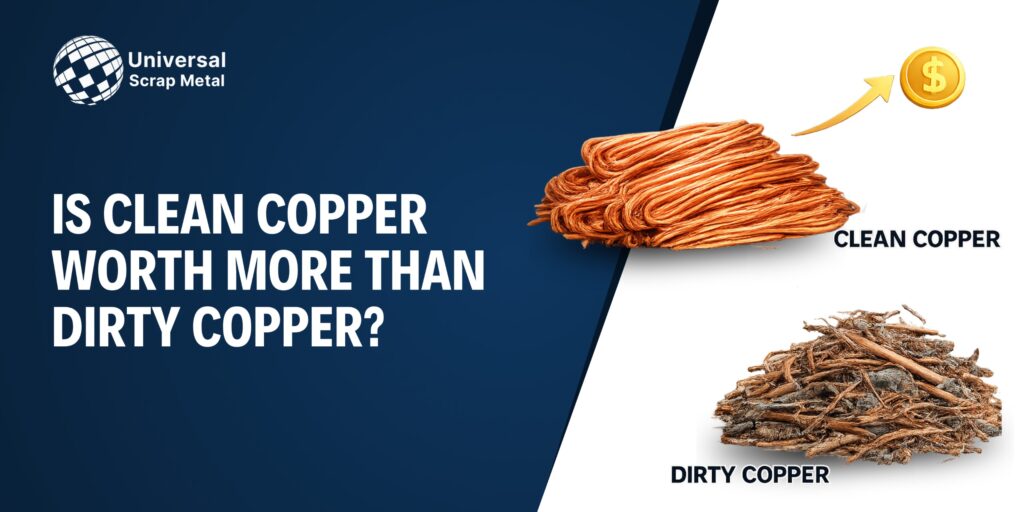
Yes. Clean copper consistently pays more than dirty copper — often 20-40% more for the same weight — because scrap yards can send it straight to the furnace, while dirty copper needs extra sorting, stripping, or burning off before it’s usable. The cleaner and purer your copper scrap, the closer you get to full market price.
If you’re sitting on a pile of wire, pipe, or fittings and wondering whether it’s worth the extra ten minutes to sort and strip it, here’s exactly why clean copper wins — and how to tell which pile you’re actually holding.
What “Clean” and “Dirty” Actually Mean in Scrap Copper
These aren’t casual terms — scrap yards use them to grade your metal and set your payout.
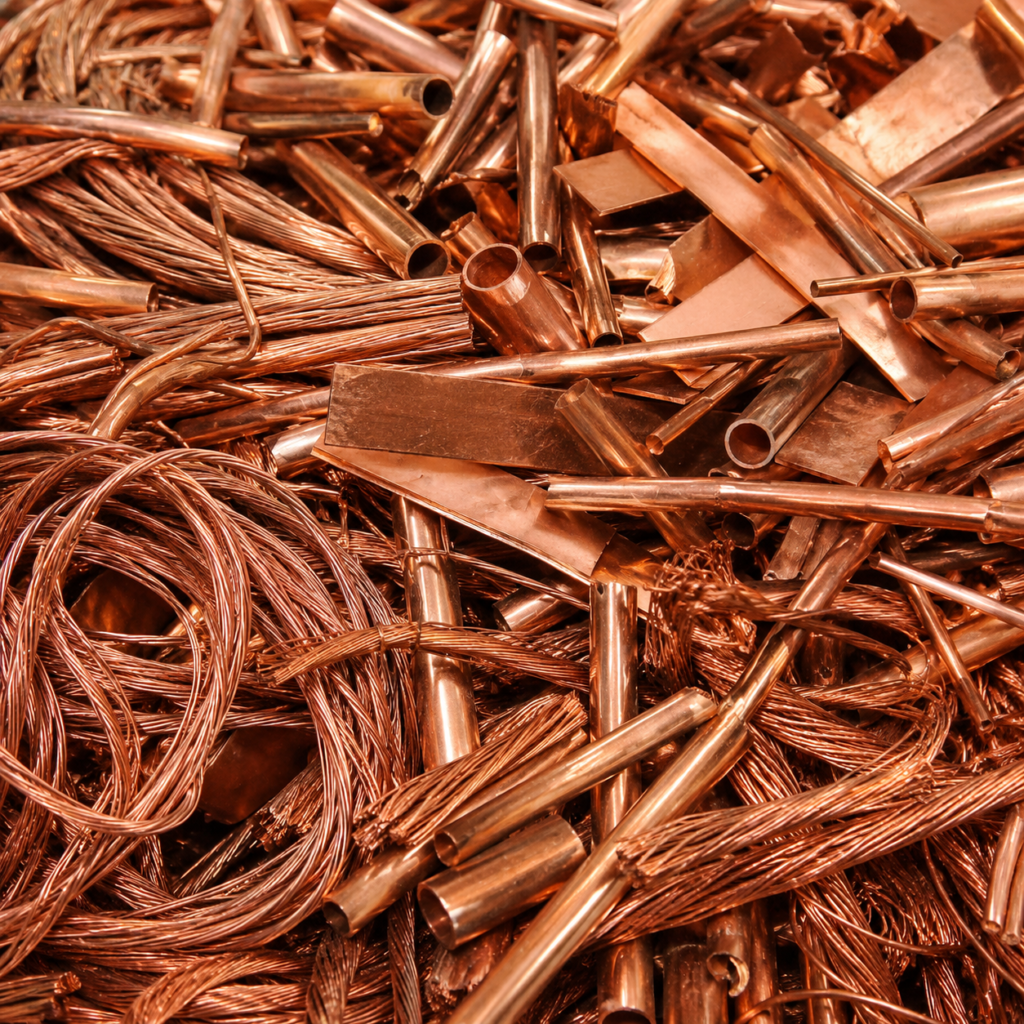
Clean copper
Clean copper is copper a smelter can process with little to no extra work:
- Bare, uncoated wire or tubing
- No paint, solder, insulation, or corrosion
- No attached fittings, brass valves, or steel screws
- A single, unmixed grade in the load
Dirty copper
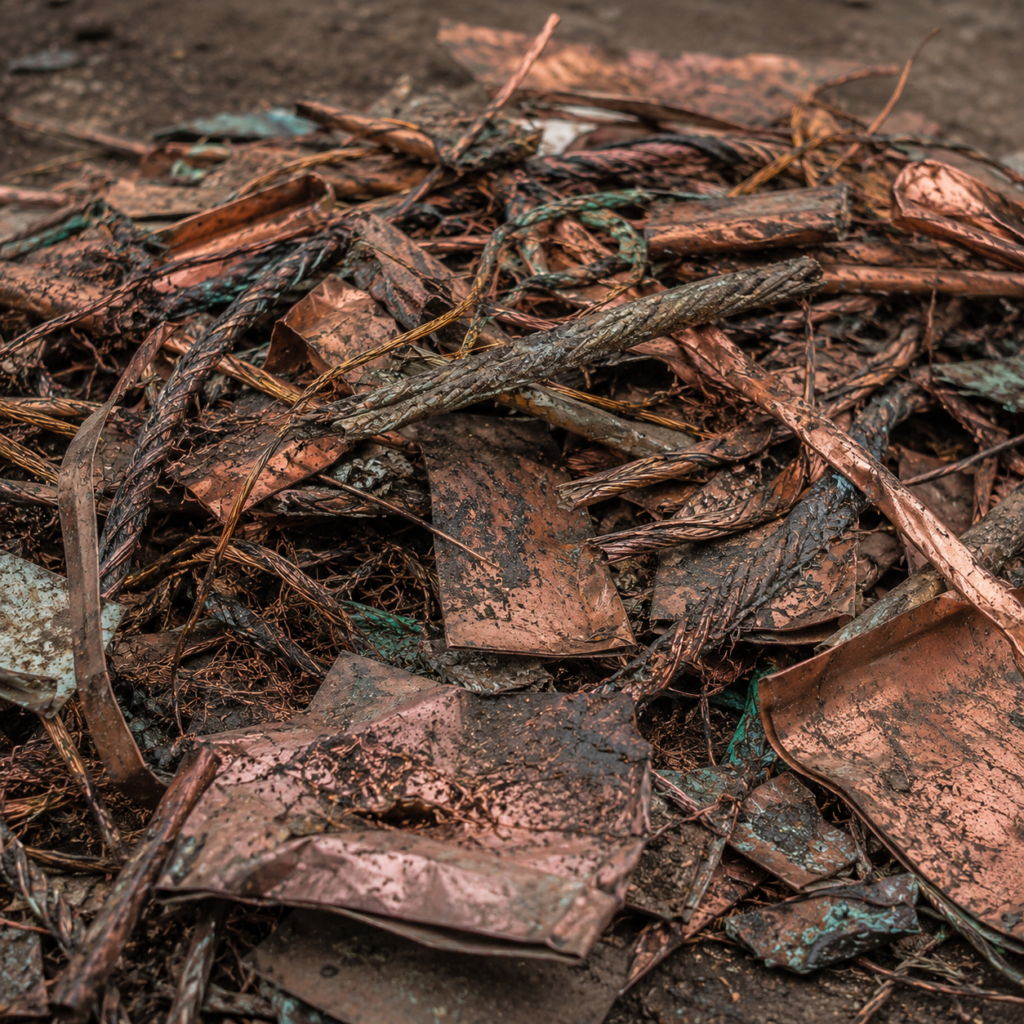
Dirty copper still contains recoverable copper, but a recycler has to spend time and money getting it out first:
- Insulated or coated wire
- Painted, soldered, or heavily tarnished pipe
- Copper fused to brass, steel, or aluminium parts
- Oil, grease, or fluid residue from automotive or machinery parts
Every one of those extra steps costs the recycler labour, equipment time, and processing capacity — and that cost comes straight out of your payout.
Why the Price Gap Is So Big
Copper’s value comes from its purity. A furnace wants copper, not copper wrapped in PVC insulation or bolted to a steel bracket. When a yard buys dirty copper, they’re really buying a smaller amount of copper plus a stripping job — so they price it accordingly.
Industry grading gives you a rough map of where your material sits:
| Grade | What it looks like | Relative value |
|---|---|---|
| Bare bright copper | Shiny, stripped wire, no coating | Highest |
| #1 copper | Clean pipe, bus bar, thick wire, minimal tarnish | High |
| #2 copper | Painted, soldered, or corroded copper | Moderate |
| Insulated wire | Copper still inside plastic or rubber sheathing | Lower, scales with copper content |
The jump from insulated wire to bare bright can be dramatic — in some cases, stripped copper pays more than double what the same wire fetches with its insulation still on.
Is It Worth Prepping Your Copper Before You Sell?
Usually, yes — with one caveat: it depends on volume and wire thickness.
- Worth stripping: Thick wire, pipe, and bus bar where a few minutes of work meaningfully changes the grade.
- Often not worth it: Very thin wire in small quantities, where the labour outweighs the price difference.
- Never worth it: Burning insulation off wire. It’s illegal in most areas, damages the copper, and downgrades it further.
This matters most if you’re generating copper regularly — electricians, plumbers, and demolition crews often have enough volume for sorting to add up fast. Our scrap metal services for tradies are built around exactly this kind of regular, higher-volume load.
A few habits protect your payout regardless of volume:
- Sort by grade — don’t mix bare bright with #2 copper.
- Remove obvious attachments — screws, brackets, fittings.
- Keep grades in separate containers so nothing gets blended and downgraded at the scale.
- Ask for a grade-by-grade breakdown on your payout, not just a single total.
Frequently Asked Questions
- Does clean copper really pay more than dirty copper?
Yes. Clean, uncoated copper requires no extra processing, so recyclers pay closer to full market value. Dirty or insulated copper is discounted to cover the cost of stripping and sorting. - What is bare bright copper?
Bare bright copper is stripped, uncoated wire with no insulation, solder, or corrosion. It’s the highest-paying common copper grade because it goes straight into processing. - Should I strip insulated wire myself before selling it?
For thick wire in reasonable quantities, stripping usually pays off. For small amounts of thin wire, the time spent often isn’t worth the price difference. Never burn insulation off — it’s illegal in most regions and lowers the copper’s grade. - Why does dirty copper get downgraded even if it’s mostly copper?
Because grading isn’t just about copper content — it’s about how much work a recycler needs to do to recover it. Paint, solder, and attached metals all add processing time, which lowers the price per kilogram or pound.
Get the Best Price for Your Copper
Sorting your copper by grade and removing obvious contaminants before you bring it in is the simplest way to increase your payout. If you’re not sure which grade your copper falls into, bring it to Universal Scrap Metal in Cannington — we’ll grade it on the spot and pay you a fair, transparent price for exactly what you’ve got.
Check today’s locations we serve across Perth, browse everything we buy, or get in touch for a quote before you drop off your load. Check current accepted forms on our copper scrap metal page, or get in touch for a quote.