

Do you know how much valuable metal gets tossed into skip bins on worksites every day?
For tradies, leftover wiring, pipes, fittings, frames, and offcuts can seem like ordinary job-site waste. But many of these materials can be recycled, reused, and turned into extra value instead of being buried in landfill.
At Universal Scrap Metal, we help tradies recover value from unwanted metals while keeping sites cleaner and more sustainable. If you’re clearing a project or managing trade waste, here are the scrap metals you should never throw in the skip bin.
Top Scrap Metals Tradies Should Never Throw Away:
1.
Copper
(Bright Shiny, Domestic, and Insulated)
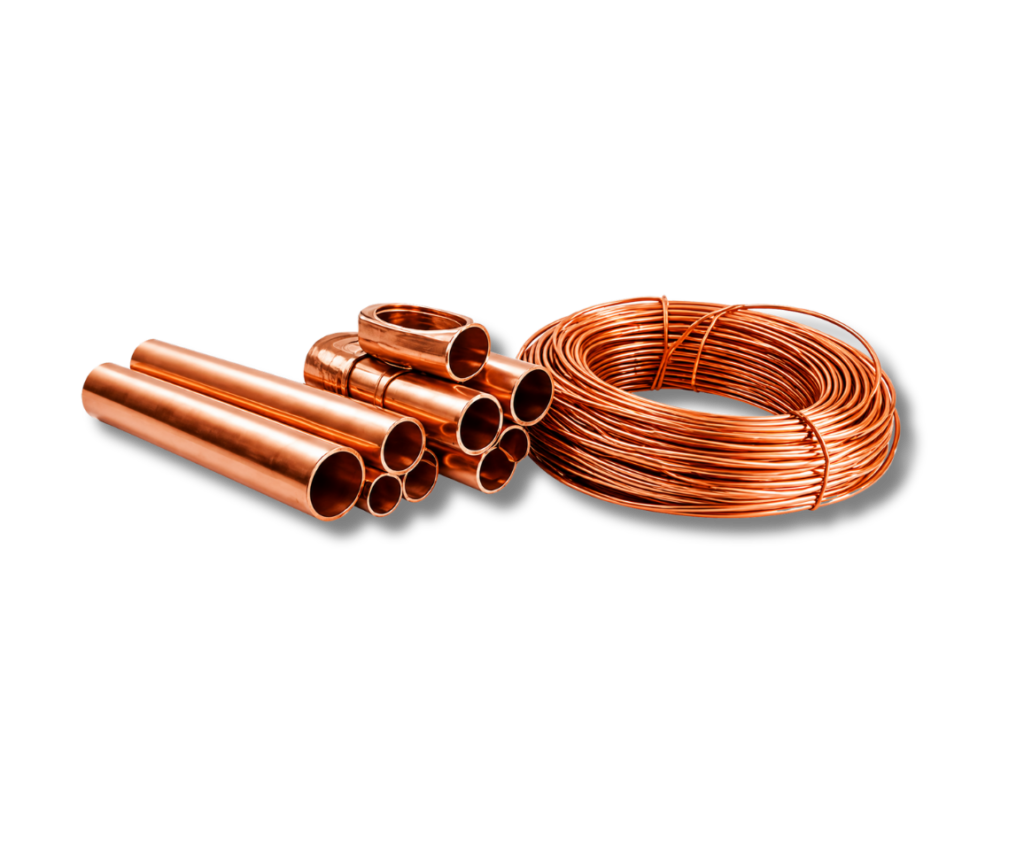
Copper remains the undisputed king of the scrap yard. Because it is highly conductive, infinitely recyclable, and essential for modern infrastructure, it consistently commands the highest prices.
📌 Where To Find
Electrical wiring, plumbing pipes, hot water systems, HVAC components, and heavy-duty EV charging station cables.
💡 Tradie Tip
Bright Shiny Copper (clean, unalloyed, stripped wire) gets the highest rate. Even if you don’t have time to strip Insulated Copper Wire, scrap yards will buy it as-is—just at a lower rate to account for the plastic weight.
2.
Brass
(Clean, Plated, and Dirty)
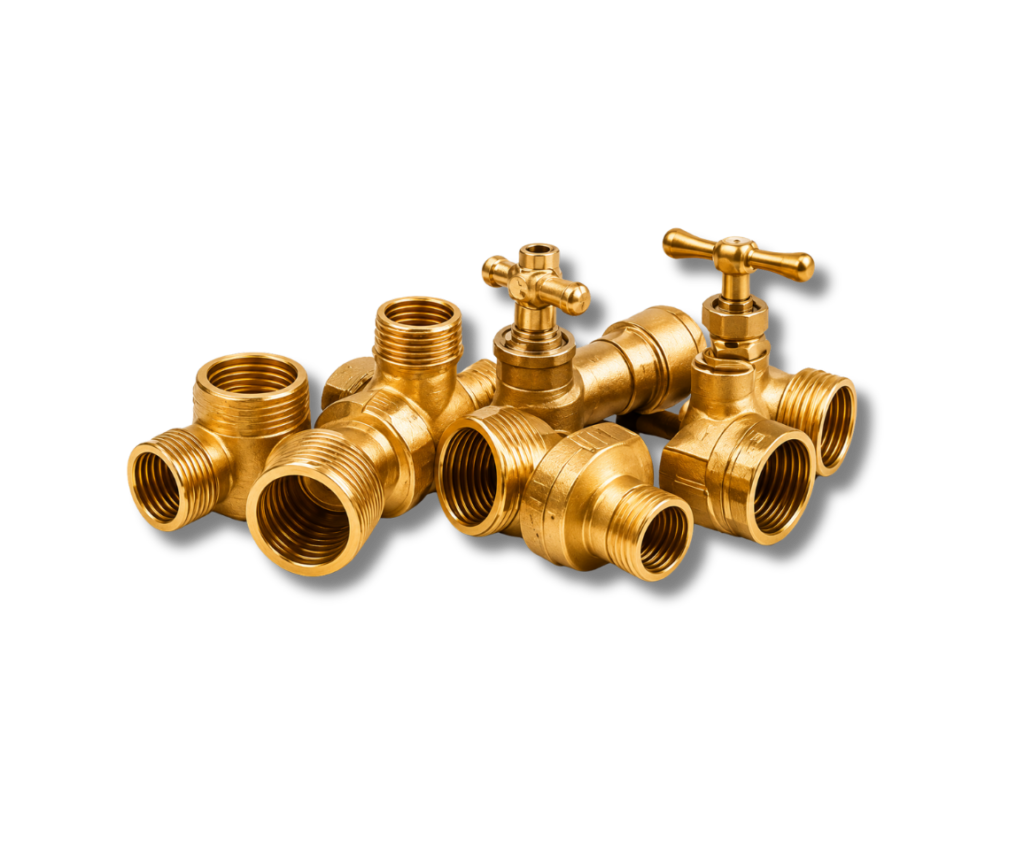
Brass is a heavy copper-zinc alloy that holds excellent scrap value due to its durability and resistance to corrosion. Because it is dense, a small bucket of brass can add up to a significant payout.
📌 Where To Find
Old taps, valves, pipe fittings, water meters, and commercial lock mechanisms.
💡 Tradie Tip
Ensure you remove any plastic extensions, rubber washers, or steel screws from brass fittings. Clean brass fetches a significantly higher price than “dirty” brass.
3.
Lead
(Clean Sheet, Oxidised, and Lead-Acid Batteries)
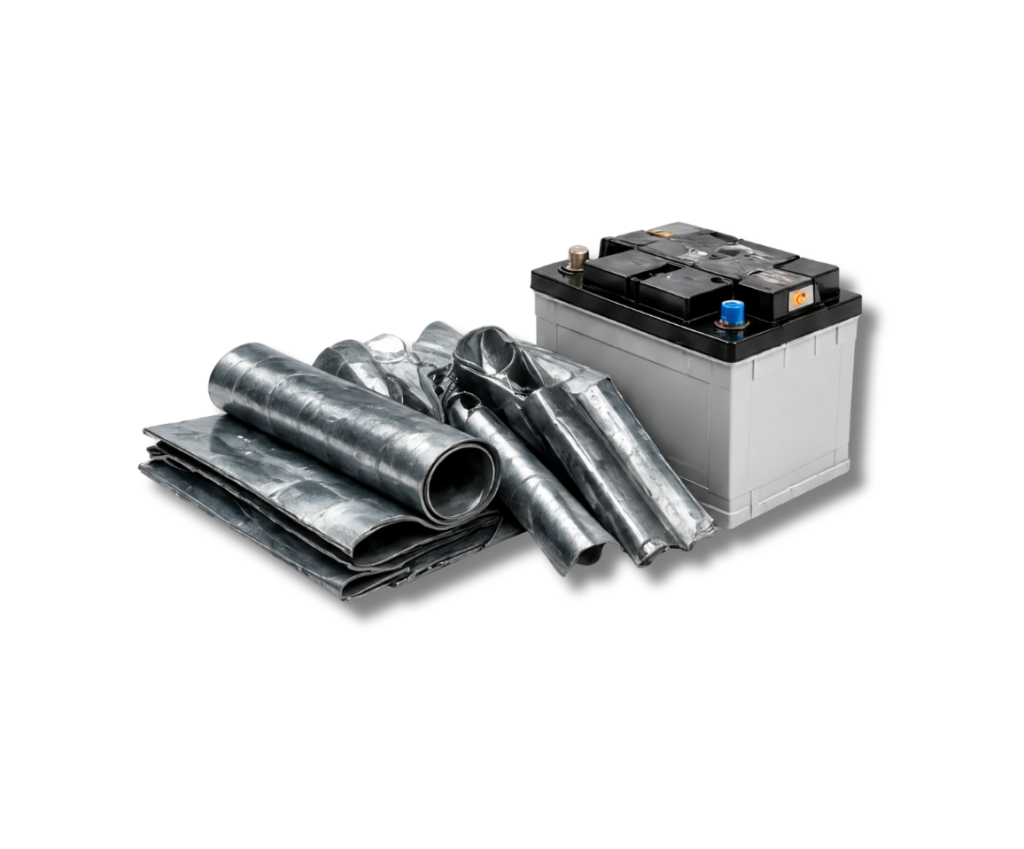
Lead is incredibly heavy, meaning even a modest pile can translate into a decent chunk of cash at the scales. It is also a toxic substance that absolutely does not belong in a standard general waste skip bin.
📌 Where To Find
Flashing from older roofs, old drainage pipes, and lead-acid batteries (from commercial vehicles or backup power systems).
💡 Tradie Tip
Handle lead with extreme care. Always wear gloves, wash your hands immediately after handling, and transport it securely to avoid contaminating the rest of your tools.
4.
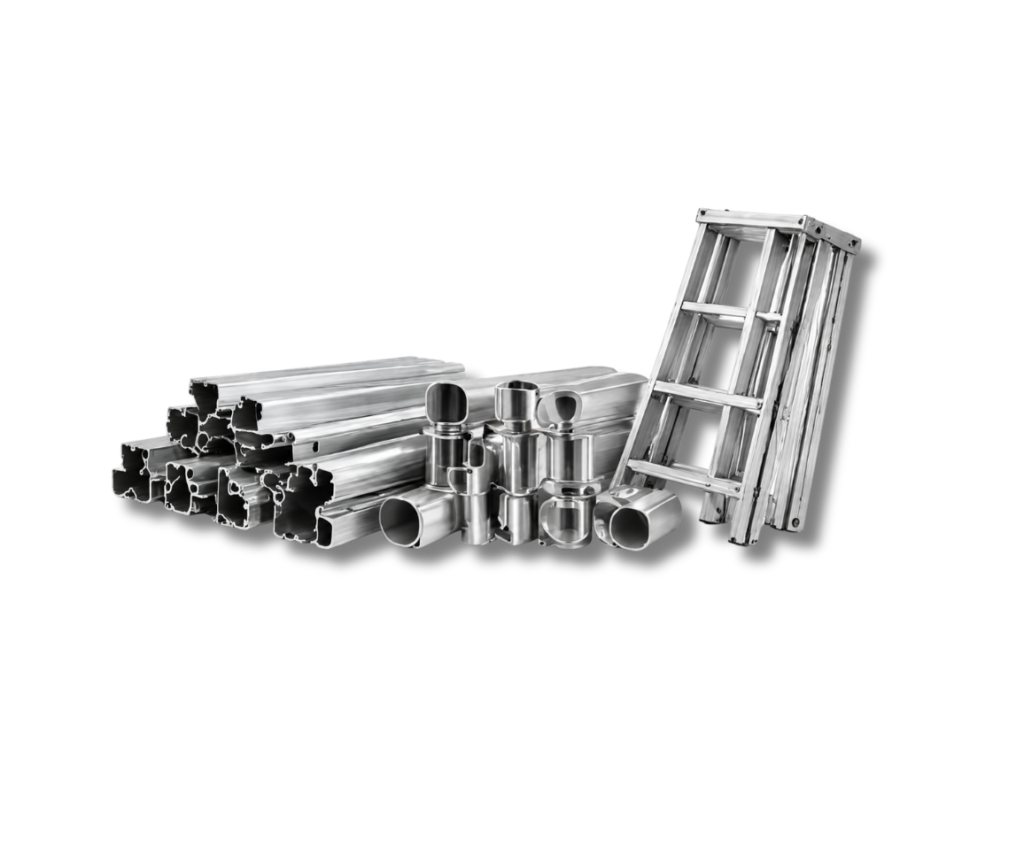
Aluminum
(Extrusions, Cast/Painted, and Wire/Cladding)
While aluminum is lightweight, its sheer volume on modern construction and renovation sites makes it highly lucrative to collect and recycle.
📌 Where To Find
Window frames, door tracks, commercial siding, gutters, and old ladders.
💡 Tradie Tip
Separate Aluminum Extrusion (clean, structural pieces like window frames) from Cast Aluminum or iron-contaminated pieces. Keep it free of steel screws and rubber seals to get the top-tier price.
5.
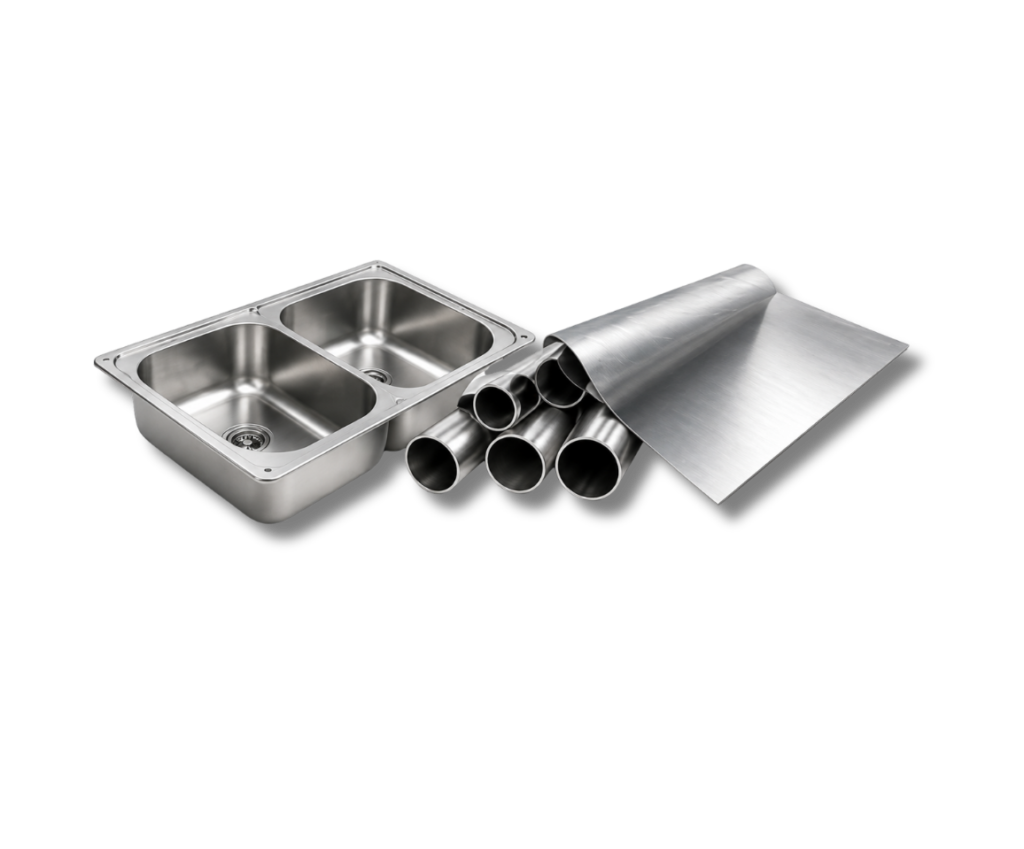
Stainless Steel
(316/304 Offcuts, Sinks/Fixtures, and Braided Hoses)
Unlike regular structural steel, stainless steel contains high concentrations of nickel and chromium, making it much more valuable to commercial scrap recyclers.
📌 Where To Find
Commercial kitchen fit-outs, industrial sinks, splashbacks, and specific marine or industrial pipework.
💡 Tradie Tip
Can’t tell regular steel from stainless? Use a magnet. Regular steel is highly magnetic. High-quality stainless steel (like 304 or 316 grade) is usually non-magnetic or only weakly magnetic. If the magnet slides right off, you have a winner.
6.
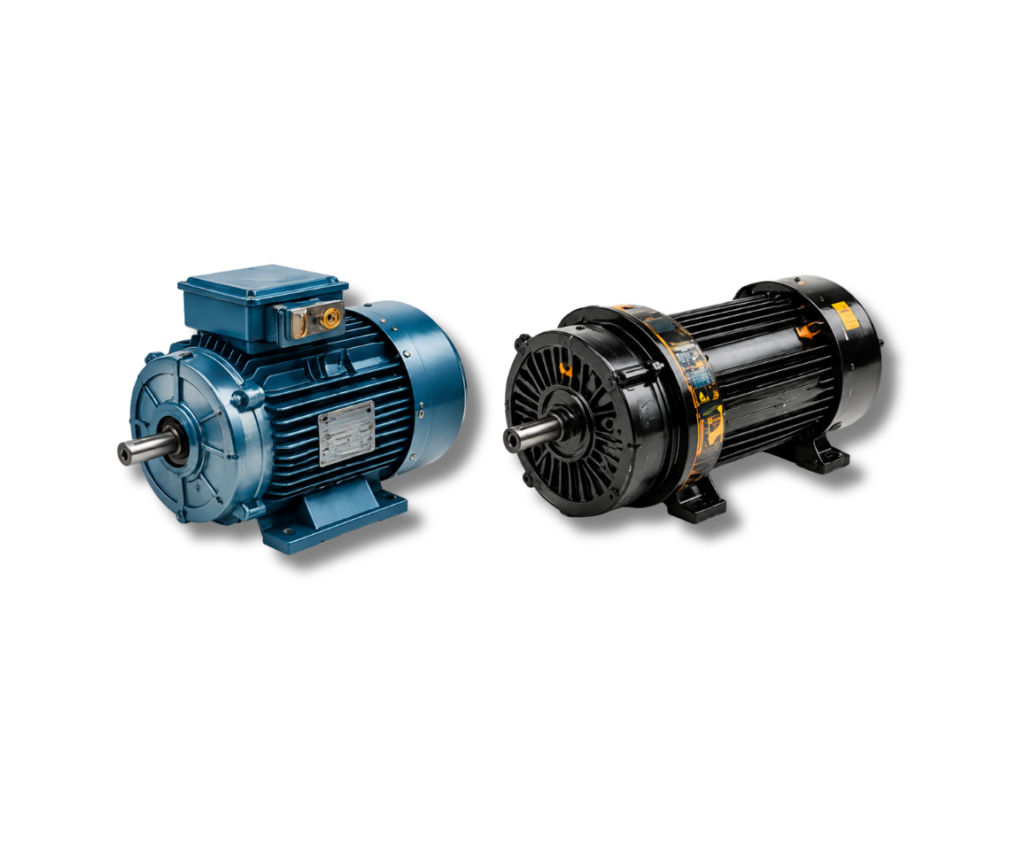
Electric Motors and Sealed Units
(Stators, Complete Motors, and Sealed Units)
Instead of tossing dead power tools, pumps, or compressors into the bin, keep them aside. Electric motors are packed with high-grade copper windings protected inside their casings.
📌 Where To Find
Dead power tools, air conditioning compressors, pool pumps, extraction fans, and whitegoods.
💡 Tradie Tip
You don’t need to break these open to harvest the copper yourself. Scrap yards buy “Electric Motors” as a distinct category, paying a solid flat rate per kilogram because they have the industrial machinery to shred and separate the copper efficiently.
The “Magnet Test”: Ferrous vs. Non-Ferrous Metals
To maximize your earnings, you need to understand the difference between Ferrous and Non-Ferrous metals.
| Metal Type | Magnet Reaction | Value | Common Examples |
| Ferrous | Sticks firmly | Lower | Iron, structural steel, roofing iron, appliances |
| Non-Ferrous | Does not stick | Higher | Copper, brass, aluminum, lead, stainless steel |
🌍 Why Tradies Should Keep Metal Out of the Skip
Business Benefits
- Creates extra return from job-site leftovers by turning offcuts, wiring, fittings, frames, and fixtures into recyclable value.
- Helps lower disposal costs by reducing the amount of recyclable material thrown into skip bins.
- Keeps job sites cleaner and more organised by separating useful metals from general waste.
- Makes site clean-ups easier by keeping recyclable metals ready for drop-off, collection, or weighing.
Environmental Benefits
- Reduces landfill waste by keeping heavy metal materials from construction, renovation, and demolition sites out of general rubbish.
- Conserves valuable resources by allowing metals like copper, aluminium, brass, stainless steel, lead, and steel to be reused instead of wasted.
- Supports cleaner building practices by encouraging tradies to manage site waste more responsibly.
- Reduces demand for new raw materials by giving existing metals a second life through recycling and recovery.
🔧 Get Paid for Site Scrap with Universal Scrap Metal
Stop paying for heavy skip bins. Universal Scrap Metal buys all trade scrap from WA tradies, offering fast digital payouts and honest weights.
We accept:
- High-Value: Copper, brass, aluminium, stainless steel, and lead.
- Site Gear: Insulated cables, electric motors, batteries, and hot water systems.
- Steel: Roofing iron and structural scrap.
From a few tubs in your ute to full commercial site clean-ups, we handle it all via yard drop-offs or hassle-free site collections.
❓ Frequently Asked Questions
1. What metals should I separate first for the best payout?
Separate your non-ferrous metals—copper, brass, aluminium, stainless steel, and lead. They are worth much more per kilo than standard steel or iron. Sorting them into separate tubs ensures you get top dollar.
2. Can I recycle insulated cable, or do I need to strip it?
You can recycle it as-is. While stripped copper wire fetches a higher rate, we accept all insulated power, data, and mains cables and use industrial shredders to separate the copper for you.
3. Do you accept rusty or corroded steel?
Yes. Surface rust and weathering do not affect the recyclability of steel. Rusted beams, posts, framing, and roofing sheets are all accepted as standard ferrous scrap.
4. Do you offer on-site collection for large jobs?
Yes. For large commercial projects or bulky loads, we can arrange a convenient site collection to keep your job site clear, safe, and compliant without transport hassle.
5. Can I bring in a mixed load of different metals?
Yes, but you’ll lose money. If you mix high-value copper into a pile of cheap steel, the whole load may be valued at the lowest steel price. Sort your metals beforehand to maximize your payout.
👉 Don’t bin your profit. [Contact Universal Scrap Metal today] for a quick weigh and pay.